

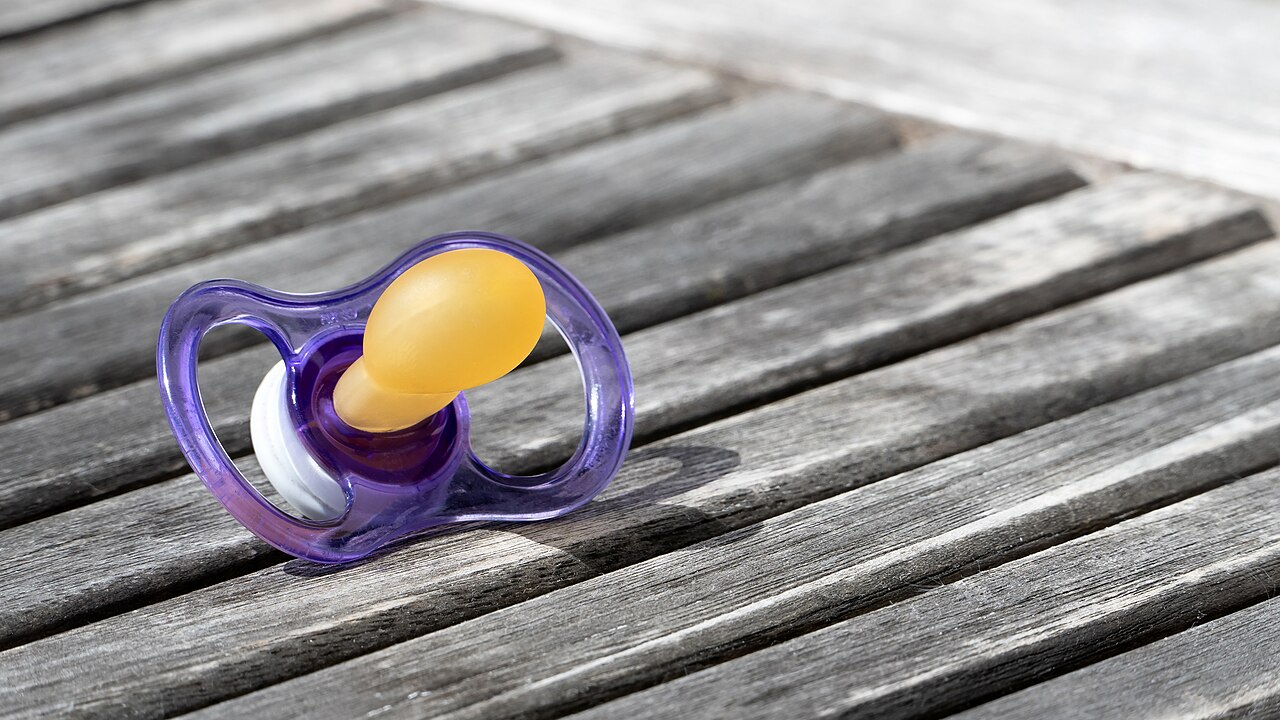
Your first hotel stay with a baby looks a lot like your old bookings, right up until you start wondering where the baby will sleep, where the milk will go, and what happens after the lights go out at 7pm. Hotels handle these requests every day, but nothing guarantees they will get any of it right on their own. You are not an edge case, either: estimates cited by the CPSC put it at more than 7 million nights a year that children under 2 spend in hotels, motels and resorts. A few targeted questions before you book, plus a short inspection when you walk into the room, cover most of what can go wrong.
Booking the Right Room Type for a Baby
A standard king room can feel generous on a solo trip and cramped once a folding crib, a stroller and a bag of bottles join the party. Before you book, think about how much floor space a crib plus a walking path will actually need, and look beyond the basic room categories. Our hotel room types explained guide covers the differences, but for a baby trip the short version is this: a suite or a room with a sitting area gives the crib its own corner and gives you somewhere to sit during naps without staring at the crib.
Extended stay hotels deserve a look even for short trips. They were built for travelers on long work assignments, so they tend to include a small kitchen, and many have on-site laundry. The layout is usually more spread out than a typical urban hotel, which helps with noise. An apartment-style setup also gives you a counter for bottle prep, which matters more than you might expect by night three.
How to Request a Crib (and What to Check When It Arrives)
Here is the part most new parents do not know: hotels in the US are not required to provide cribs, bassinets or playards at all, and they do not have to provide crib sheets either. If a hotel does supply a full-size crib, a federal rule requires it to meet Consumer Product Safety Commission standards, the same rules that took effect for cribs manufactured, sold or leased starting in June 2011. Hotels and motels had to move to compliant cribs within two years after the rule was published. Those standards banned traditional drop-side cribs, strengthened mattress supports and hardware, and required more rigorous safety testing. Pack ‘n Plays and other playards, however, are not covered by that rule, so a hotel can legally hand you one that does not meet the crib standard.
What you will likely get is one of four things: a standard crib that resembles a home nursery crib, a smaller portable crib, a mini crib built for tight rooms, or a playard with mesh sides. Playards fold flat and travel well, but they generally offer less mattress support than standard cribs.
Whichever shows up, inspect it before your baby goes anywhere near it. Spot checks by the National SAFE KIDS Campaign across 90 hotels in 27 states and the District of Columbia found unsafe cribs or play yards in 80 percent of the properties visited. Of the cribs inspected, 82 percent had at least one hazard, most often loose hardware, soft bedding or adult-sized sheets, and 52 percent of the play yards had at least one. The CPSC has recalled more than 11 million cribs since 2007, and detaching drop-side rails were associated with at least 32 infant suffocation and strangulation deaths from 2000 onward. Run through this checklist:
| What to check | What a pass looks like |
|---|---|
| Slats and mesh | Slats no more than 2 3/8 inches apart, about the width of a soda can; mesh finer than 1/4 inch with no tears or holes |
| Hardware | No missing, loose, broken or badly installed screws, brackets or latches |
| Mattress | Firm, flat and snug against all sides, with no gaps where a baby could wedge |
| Bedding | A fitted crib sheet only, nothing else |
| Design | No drop-side rail, no corner posts over 1/16 inch, no cutouts in the headboard or footboard |
If anything fails, ask for a different unit. If the replacement also looks wrong, set up your own travel crib instead and mention the problem at the front desk.
Pro tip: When you book, ask what type of infant sleep space the hotel provides and write the answer into your reservation notes. A request that reads “full-size crib, confirmed by front desk” is much harder to lose than a generic note in a comments field.
Why a Fridge and Microwave Matter
A minibar is not a refrigerator. Those small glass-door units are built to keep sodas cool, not to hold breast milk or prepared formula, and their tiny chiller compartments are no place for frozen milk. This trips up plenty of parents because the room looks like it has a fridge until you open it and find a price list.
The fix is a phone call. Hotels deal with this request often, and many will remove the minibar items, drain the unit, or swap it entirely for a dorm-style refrigerator made for actual food storage. Ask when you book rather than at midnight on arrival, and confirm the room will have a working fridge, not just a minibar. A microwave matters too, for warming water, heating food you brought back from dinner, and general bottle logistics. Extended stay properties usually have both as standard, which is one more reason they work well with a baby.
Choosing a Room Location for Naps and Noise
Babies nap several times a day, so daytime noise matters as much as what happens at night. When you request a room, skip the vague “quiet room please” and be specific: a corner room, away from the elevator, the ice machine and any event space. One phrasing that tends to land well is asking for a quiet room so the baby’s crying does not disturb other guests. It is polite, it explains the request, and front desks often respond by placing families in roomier or better-positioned rooms.
Higher floors generally mean less street noise, though a room above a kitchen or next to the gym can undo that advantage. If you land in a noisy room and the baby sleeps badly, ask about moving the next morning rather than suffering through the whole stay. Our guide to polite requests that get you a better room has more on timing and wording.
What to Pack That Hotels Rarely Provide
Hotels supply towels and coffee. Babies need a few things hotels almost never stock, so build your list around them:
- A fitted crib sheet made for crib use. Hotels do not have to provide crib bedding, and an unprotected mattress can hold mildew, allergens and dust mites. Playards are generally considered fine without a sheet.
- Your own travel crib or playard if you have any doubt about the hotel’s. Before you leave, open it at home and test every lock until it clicks, press the mattress to confirm it sits flat and snug, and check the mesh and frame for tears, bent metal, cracked plastic or any sign of improvised repairs. If you cannot confidently identify the original parts, the model and the correct assembly, do not use it for sleep.
- Bottle supplies: dish soap, a brush and a small towel, since housekeeping will not wash bottles.
- Blackout help, such as clips or a portable shade, plus a white noise source, because hotel curtains rarely close all the way.
Our general hotel packing list covers the basics for adults; add this baby layer on top.
Bathroom and Safety Details to Scan on Arrival
Once the crib passes inspection, give the room itself five minutes. Move the crib away from windows, blind cords, lamps and heaters, and away from anything the baby could reach from inside it. Unplug or reposition dangling cords near the bed. Put medications, toiletries and small objects out of reach, keeping in mind that a crawling baby treats a hotel room like a playground furnished with new things to grab.
In the bathroom, test the water temperature with your wrist before any bath, keep the toilet lid closed, and watch the floor, since hotel bathroom surfaces get slippery fast. None of this takes long, and it is much easier to rearrange a room before the baby is tired and hungry than after.
Handling Feeds and Bedtimes in One Room
One room means one sleep schedule, so plan the evening around it. Put the crib as far from your bed as the room allows and run the same bedtime routine you use at home, so the change of scenery still feels familiar. Once the baby is down, keep the lights low and the television off or muted. Many parents spend part of nap time in the bathroom with the door closed and a monitor on, which sounds bleak but works: it is the only truly separate room you have.
Follow the safe sleep rules the CPSC recommends for infants under 12 months, at home or in a hotel: baby on their back, on a firm, tight-fitting mattress, with no pillows, quilts, comforters, bumper pads or stuffed toys in the crib. If you use a blanket, tuck a thin one around the mattress covering the baby only as high as the chest, with feet at the foot of the crib. The stakes are real: as many as 3,000 infants die each year from SIDS, up to one-third of those deaths may involve soft bedding, and about 40 babies suffocate or strangle each year in cribs with broken parts or older unsafe designs. The decorative pillow and quilt the hotel tucked into the crib should come out, every single time.
For feeds, use the fridge setup from earlier and stage the next bottle before you sit down for the night. A little preparation at 8pm beats a full bottle-making operation at 2am.
For your first step, call one hotel you are considering and ask two questions, what type of crib it provides and whether the room can get a true refrigerator, then let the answers guide your booking.
At a glance
- Hotels are not required to provide cribs, playards or crib sheets, so ask for the crib by type when you book and confirm it in your reservation notes.
- Federal standards apply to cribs that hotels provide, but not to playards, so inspect slats, hardware, mattress fit and mesh before your baby uses one.
- A minibar is not a real refrigerator. Ask the hotel to swap it for a dorm-style fridge so milk and formula stay properly cold.
- Request a quiet room away from elevators and ice machines, since babies nap several times a day and daytime noise matters as much as nighttime noise.
- Pack your own fitted crib sheet. Hotels do not have to supply crib bedding, and an unprotected mattress can hold mildew, allergens and dust mites.
Frequently asked questions
Do hotels charge for cribs?
Policies vary. Some hotels provide a crib free, others charge a small fee. Ask when you book and make sure any charge is noted on your reservation.
Can a hotel legally give me a playard instead of a crib?
Yes. Federal crib standards apply to cribs that hotels provide, but playards are not covered by that rule. Inspect any playard closely and bring your own if you are unsure.
What should I do if the hotel crib looks unsafe?
Ask for a different unit and check it against the same points: tight slats, intact hardware, a firm and snug mattress, and no soft bedding. If the replacement fails too, set up your own travel crib.
Should I bring my own crib sheet?
Yes. Hotels do not have to provide crib bedding, and an unprotected mattress can hold mildew, allergens and dust mites. A fitted sheet made for crib use is a small item that matters.