

Tipping at a restaurant is simple: about 20 percent of the bill, added once. Tipping at a hotel is messier. You cross paths with a half dozen staff members over a stay, each paid under different rules, and almost nothing on your bill tells you who has already been thanked. Here are the standard amounts, who to tip and when, and how to spot charges that already include a gratuity.
Who Expects a Tip at a U.S. Hotel and Who Doesn’t
Tipping is not a small bonus for hotel workers in the United States. It is a large part of how they get paid. The legal minimum wage for a tipped employee is $2.13 per hour, as long as tips bring the total up to the federal minimum wage of $7.25, figures that have not changed since 2009. Housekeepers, bellhops, valets and concierges all structure their pay around gratuities.
A short list of who to plan for:
- Housekeepers, who clean the room and restock towels and supplies
- Bell staff, who carry bags and deliver items to your room
- Valets, who park and retrieve your car
- Door staff, who handle bags and hail taxis
- Room service servers, who bring food to your door
- Concierges, in some situations covered below
The front desk is the main exception. For routine check-in and checkout, tipping is generally optional rather than expected. Housekeepers are a special case: a Cornell University study found that people feel less obligation to tip them than bartenders or bell staff, probably because housekeepers usually work sight unseen. That is exactly why they deserve a deliberate spot in your budget.
| Staff member | Typical amount | When to tip |
|---|---|---|
| Housekeeper | $1 to $5 per night | Daily, with a note |
| Bellhop | $1 to $5 per bag | When bags are delivered |
| Bellhop at a luxury hotel | $4 to $7 per bag | When bags are delivered |
| Valet | $2 to $5 | When the car is returned |
| Bell staff room delivery | $2 to $3 | When the item arrives |
Housekeeping: How Much and When to Leave It
The American Hotel & Lodging Association (AHLA), the hotel industry’s trade association, suggests $1 to $5 per day for housekeeping. Emily Post’s tipping guide puts the range at $2 to $5 per day, left daily with a note marked “Housekeeping.” At luxury properties, experts quoted by AFAR leave $5 to $20 per day, with the high end reserved for hotels that offer nightly turndown service or suites with multiple rooms.
Timing matters as much as the amount. The housekeeper who cleans your room on Monday may not be the one who cleans it on Tuesday, so a tip left daily is the only way to be sure the money reaches the person who did the work. A single lump sum at checkout is an accepted alternative, especially on longer stays, but it may not reach everyone who serviced the room.
Presentation is simple:
- Leave cash in a visible spot, such as the desk or dresser, or next to the bathroom sink.
- Add a note marked “Housekeeping” or “Thank you” so it is clear the money is intentional.
- Never leave the tip on the bed or pillow, where it can look like forgotten money.
Adjust the amount for your circumstances. Extra people, pets, or a mess that takes longer to clean (cereal ground into the carpet is the classic example) justify a couple more dollars. If you are barely in the room or staying at a budget property, the lower end of the range is fine. And if you skipped housekeeping during your stay, a tip at checkout is still a reasonable way to say thanks. Small bills in assorted denominations are one more item for your hotel packing list.
Bell Staff, Valets and Door Staff: Standard Amounts
Bellhops are tipped per bag. The AHLA’s guideline is $1 to $5 per bag. Emily Post’s chart splits it slightly differently, at $2 for the first bag and $1 for each additional one, with $2 to $3 for each extra service such as a room delivery. Tipping guides recommend $4 to $7 per bag at upscale hotels, where the service expectation runs higher. The math scales with your luggage: a family traveling with six bags would land around $12 to $15 at a standard hotel. If the bellhop also gives you a quick room orientation or delivers something later in your stay, add a little more.
Two details people miss. First, if you check out but leave bags in storage with the bell staff until your departure, tip when you pick them up, not when you drop them off. Second, tipping the bellhop is optional in the practical sense: you can decline the service and carry your own bags.
Valets work on a different schedule. Leave $2 to $5 when the car is returned to you, not when you hand over the keys. Door staff who take bags or hail a cab fall in between: Emily Post suggests 15 to 20 percent of the taxi fare (minimum $1) plus $2 for the first bag and $1 for each additional one.
Room Service, Delivery and the Service-Charge Question
Room service is where hotel tipping gets genuinely confusing, because the bill often stacks several charges on top of the menu price. One travel writer documented an order at a luxury ski resort hotel in which $68 of food and drinks came to $98.42, about 45 percent more than the base cost, after a $5 delivery charge and a 25 percent service charge. Of that 25 percent, only 10 percent went to the employees and 15 percent went to the hotel, an arrangement the writer described as fairly common.
The lesson is to read the bill before you reach for cash. Look for three separate lines: a delivery charge, a service charge, and a gratuity or tip line. A service charge is not the same as a tip, and as the example above shows, it does not all reach the server. If a service charge is included, a small cash tip for the person who delivered the food is still a fair response. If there is no charge at all, Emily Post’s chart lists no obligation, with a tip of $0.50 to $3 depending on the level of service and 10 percent for extras such as curb delivery.
Concierge and Front Desk: When a Tip Is Appropriate
Concierge tipping follows no fixed rule. A sensible approach is to tip occasionally, when someone provides a little something extra, and skip it for simple directions. In practice, travelers tend to tip a concierge for substantial help, such as securing reservations at a booked restaurant or arranging a complicated itinerary.
The front desk is similar. No set amount applies to routine check-in, but if an agent goes well out of their way, say, by finding you a quieter room after you ask, our guide to polite room requests that work shows how to set that up, and a cash thank you is an appropriate response.
When you are unsure what is customary, ask. Concierges and front desk agents can tell you what is typical both at their property and in the local area, including whether service charges there already cover gratuities.
Cash vs. Adding It to the Bill
Every guide agrees on this point: tip in cash. Handing the tip directly to the team member is the nicest option, and a short handwritten note left in the room means more than you might expect, according to a hotel general manager quoted by AFAR. Etiquette experts add that the money should sit somewhere noticeable, such as on the desk, so it is clearly deliberate.
What not to leave: casino chips or electronic slot machine vouchers, even in Las Vegas. State gaming regulations prohibit housekeepers from accepting them, and some hotels have strict no-gambling policies for staff that put workers in an awkward position if you do. Food, leftover alcohol and similar gifts are well-meaning but restricted at some hotels too.
Adding a tip to your bill works best for room service and hotel restaurants, where a tip line exists and the money goes through payroll. For housekeeping there is no bill to attach it to, which is why cash in the room remains the practical method.
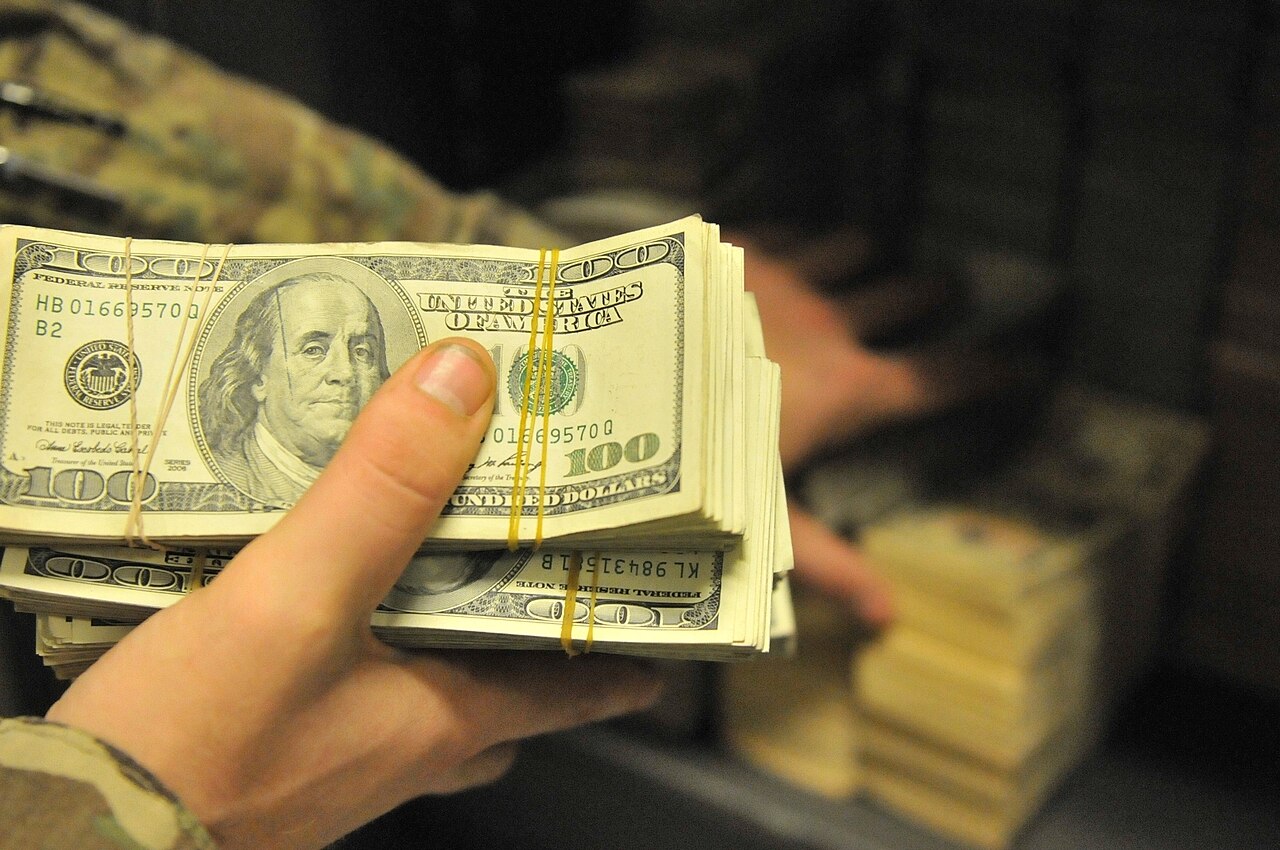
Pro tip: Stop at a bank before your trip and get a stack of $1 and $5 bills. Nearly every hotel tip falls in that range, and small bills keep you from over-tipping just because that is what the ATM dispensed.
Tipping at Resorts and All-Inclusive Properties
Tipping practices vary significantly by location and property, and resort policies can differ from those at standard city hotels. Some luxury resorts expect individual gratuities as part of the service culture; others add automatic service charges that change the math.
Before you go:
- Check the hotel’s official website for a tipping policy, or call and ask directly.
- On arrival, look at the in-room guest information booklet or digital compendium, which often covers the property’s practices.
- Review your bills for included service charges before adding tips at the hotel restaurant or spa.
- Ask the concierge or front desk what is customary there and in the surrounding area.
If you are still in the planning stage, our timeline for booking a resort stay can help you work questions like these into the right weeks rather than scrambling at check-in.
What to Skip: Charges That Are Already Gratuities
The most common over-tipping mistake is paying twice. A service charge on a restaurant, room service or spa bill is presented like a tip, but it is a fee the hotel controls, and only part of it may reach staff. Read the bill, then decide. Practices also differ by country: certain hotels in Japan add a 10 percent service charge and offer no option to tip at all, while some hotels in France add no fees but leave a tip line on the bill.
Mandatory charges on your folio deserve the same scrutiny. Resort fees and similar charges are payments to the hotel, not to the staff, and our guide to resort fees and other hotel charges explains how they work. A fee is never a substitute for a cash thank you to the person who actually cleaned your room.
Pack Small Bills Before You Go
Start with one habit on your next trip: before you leave home, set aside about ten dollars in one-dollar bills and five dollars in fives, and keep them in an outside pocket of your bag. That covers two nights of housekeeping at the AHLA’s suggested range, a bellhop for a couple of bags, and a valet, with change to spare. Do that one step before your next trip, and the rest of the guide takes care of itself.
At a glance
- The AHLA suggests $1 to $5 per day for hotel housekeeping, left daily because room assignments can change. Emily Post recommends leaving it with a note marked ‘Housekeeping’.
- Bellhops typically receive $1 to $5 per bag, with $4 to $7 per bag at luxury properties, and valets get $2 to $5 when your car is returned.
- Cash is the preferred form of hotel tipping; casino chips, slot vouchers and, at some hotels, food gifts may conflict with staff policies.
- Room service bills often add a delivery fee and a service charge, so read the bill before adding a tip on top.
- At resorts, check the hotel’s website, the in-room booklet and your bills, or ask the front desk, since tipping policies vary by property.
Frequently asked questions
Do you tip hotel housekeeping daily or at the end of the stay?
Daily is the better practice, because room assignments change and a single tip at checkout may not reach everyone who cleaned your room. A lump sum at the end is an accepted alternative on longer stays.
Is a service charge the same as a tip?
Not always. Hotels control service charges and may pass only part of them to staff, so check the bill and decide whether to add cash for the person who served you.
How much do you tip a hotel bellhop?
The American Hotel & Lodging Association suggests $1 to $5 per bag, and travel experts recommend $4 to $7 per bag at upscale hotels, where the service expectation is higher. Tip when the bags arrive, or when you collect bags you left in storage.
Can I add a housekeeping tip to my hotel bill?
Housekeepers do not process your bill, so cash left in a visible spot with a note is the practical method. Tips added to a bill work best for room service and hotel restaurants.